Photographers come to the Dolomites from all over the world, and autumn hands them
most of the reasons why: gold larches, fresh snow on pale rock, still mornings
on the lakes and a low sun that picks out every ridge. It’s also a season of short days,
closing huts and roads that can shut overnight. So a good autumn photo day depends as much on
planning as on the camera.
This page covers where and when the light is best, and what you can realistically book.
What you can actually book
To be clear from the start: GetYourGuide lists very few dedicated photography workshops in
the Dolomites. Multi-day workshops led by a photographer are mostly sold by independent
photographers on their own sites. What you can book on GetYourGuide are tours built around the
right places and times:
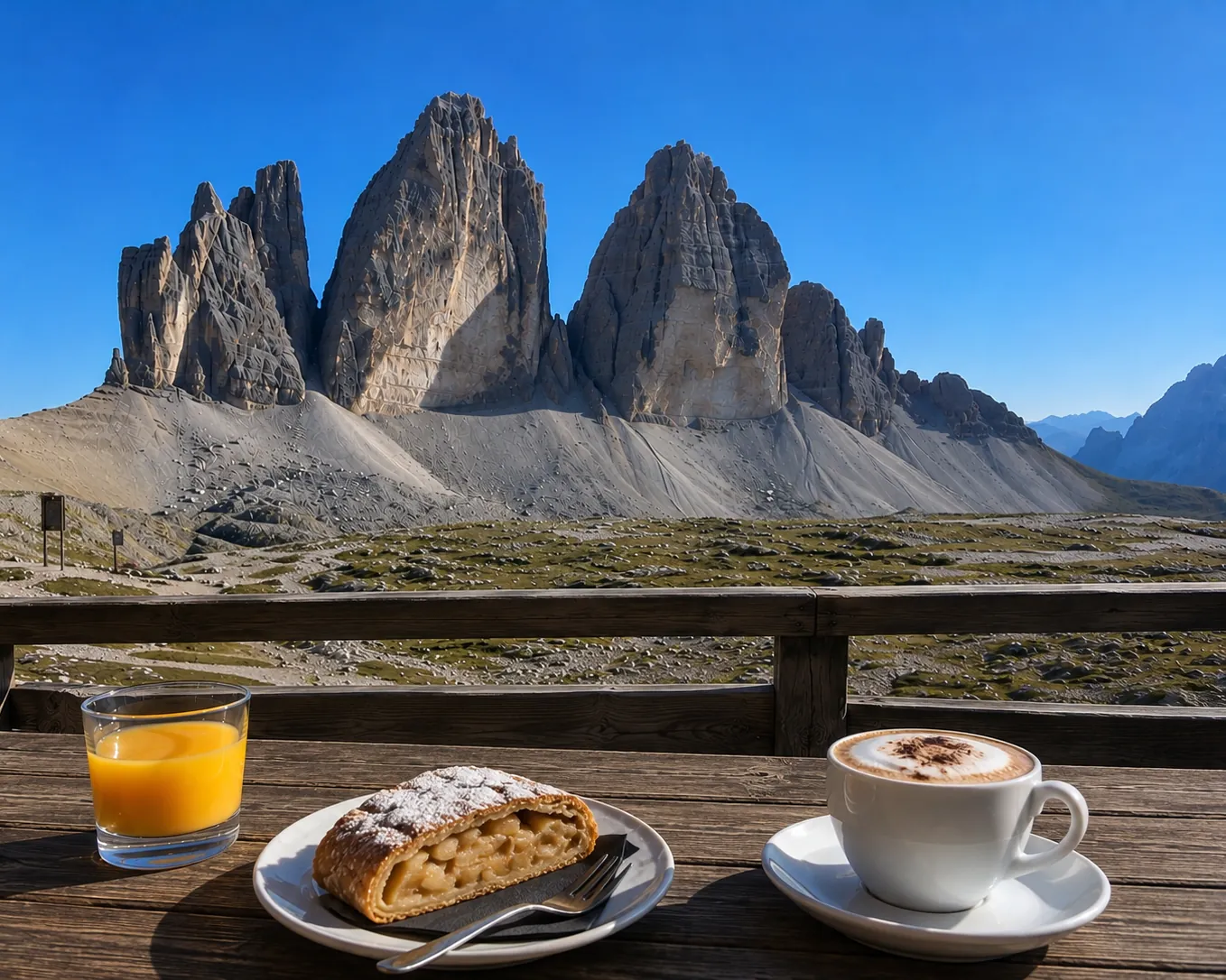
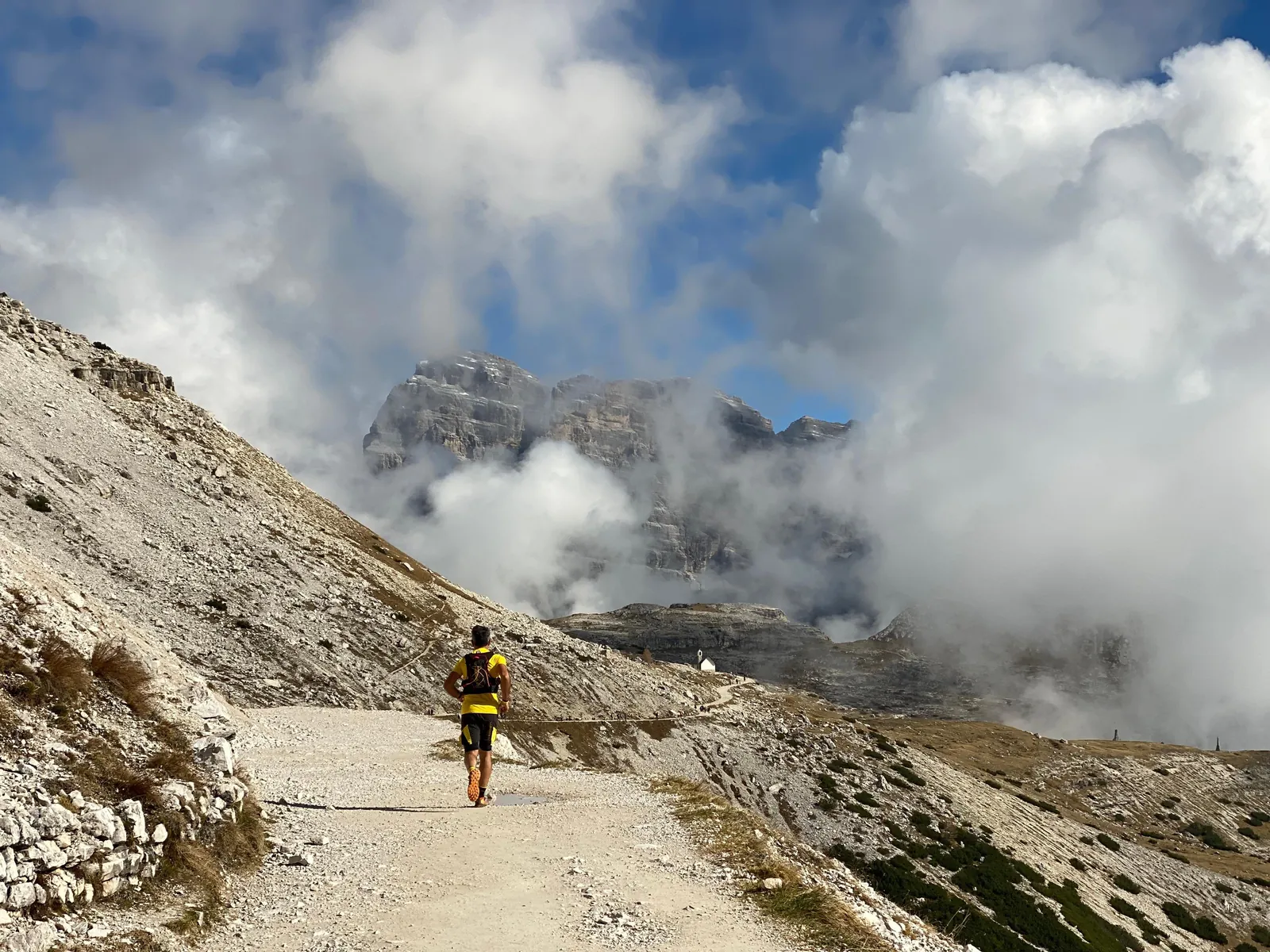
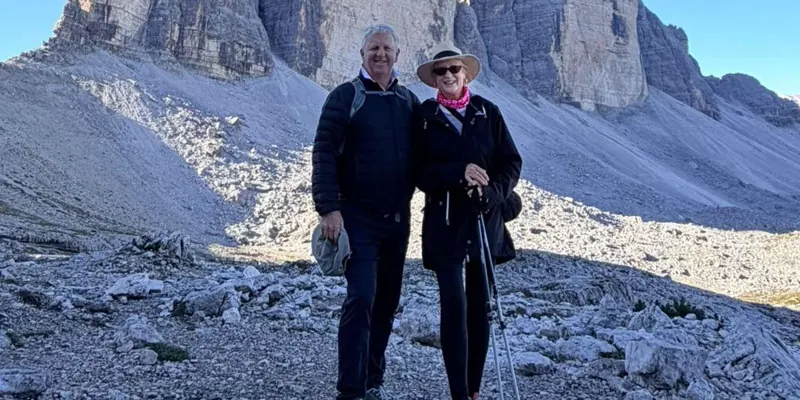
- A sunrise walk at the Tre Cime. The breakfast with a view of the Three Peaks, featured at the top of this page, starts early from the Misurina car park. The guide drives you up to Rifugio Auronzo and walks the panoramic route to a breakfast booked facing the three towers, with a photo shoot along the way. The breakfast itself is paid separately. All five reviews are five stars.
- Braies in the morning. The Braies and Misurina day with a hiking guide starts with Misurina and then gives Lago di Braies ninety minutes, and a drone clip is often part of the day.
- Drone footage of the lakes. The lakes loop from Venice includes a drone video of your group at Auronzo, Misurina and the Cortina valley, with hotel pickup.
- A photoshoot of you at Braies. A professional portrait session at Lago di Braies is listed too, but it showed no availability on any autumn date we tested.
Where to be in autumn
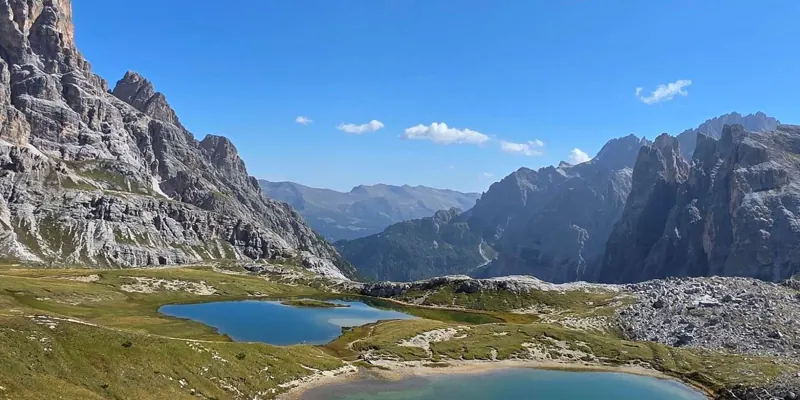
Lago di Braies. The boathouse, the rowing boats and the Seekofel cliffs are the classic
frame, and in October there are gold larches on the slopes too. Go early for still water and
an empty jetty. See Braies in autumn.
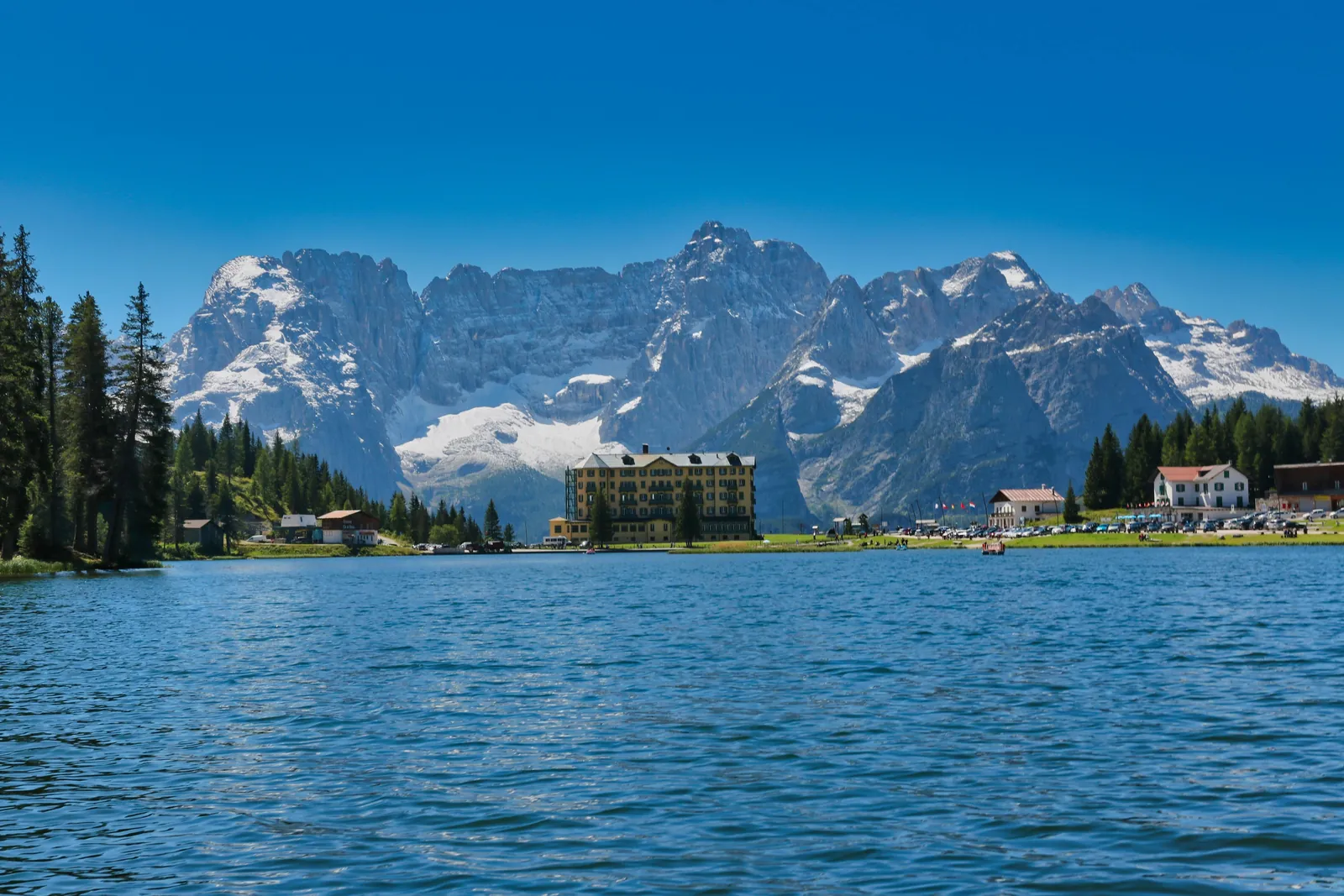
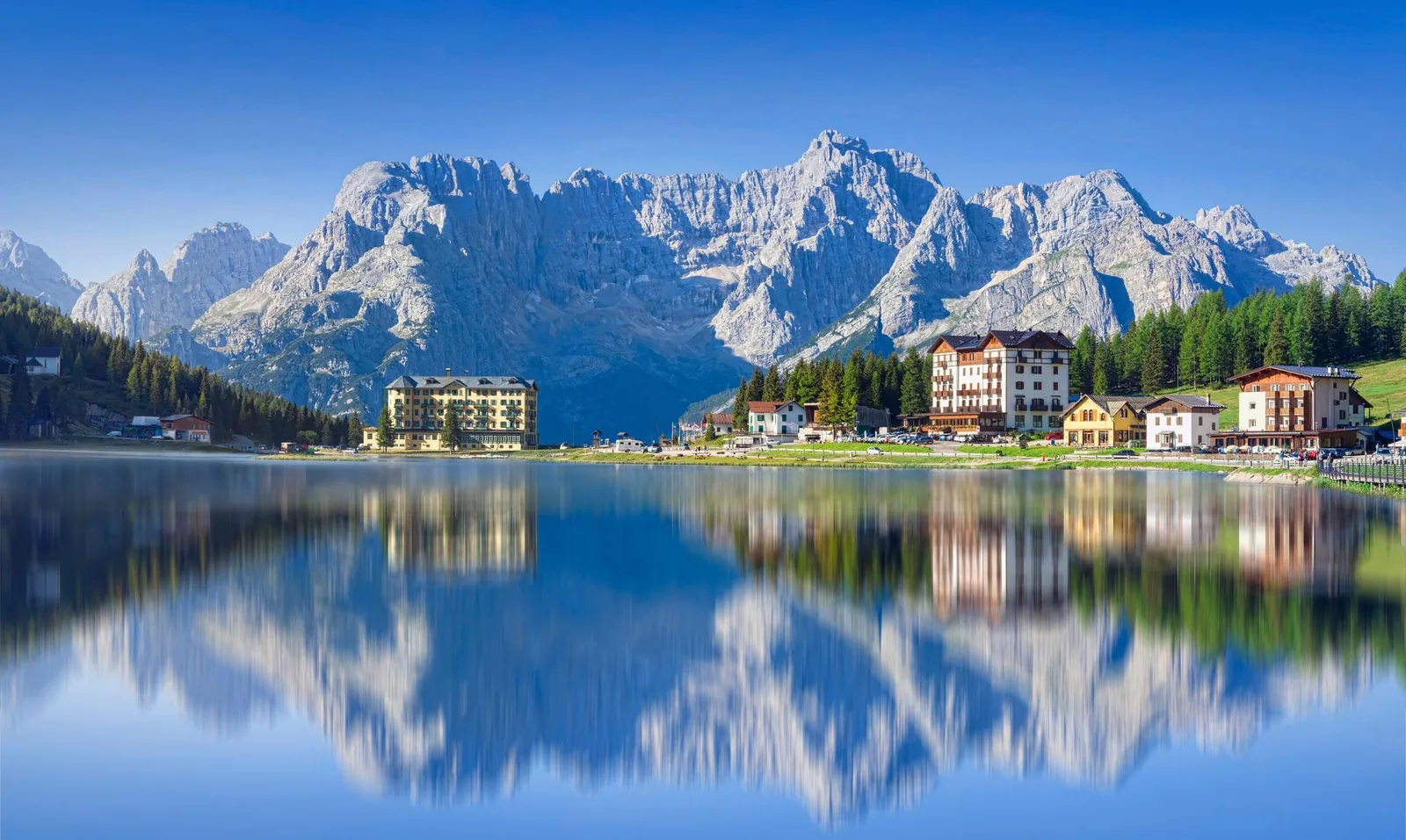
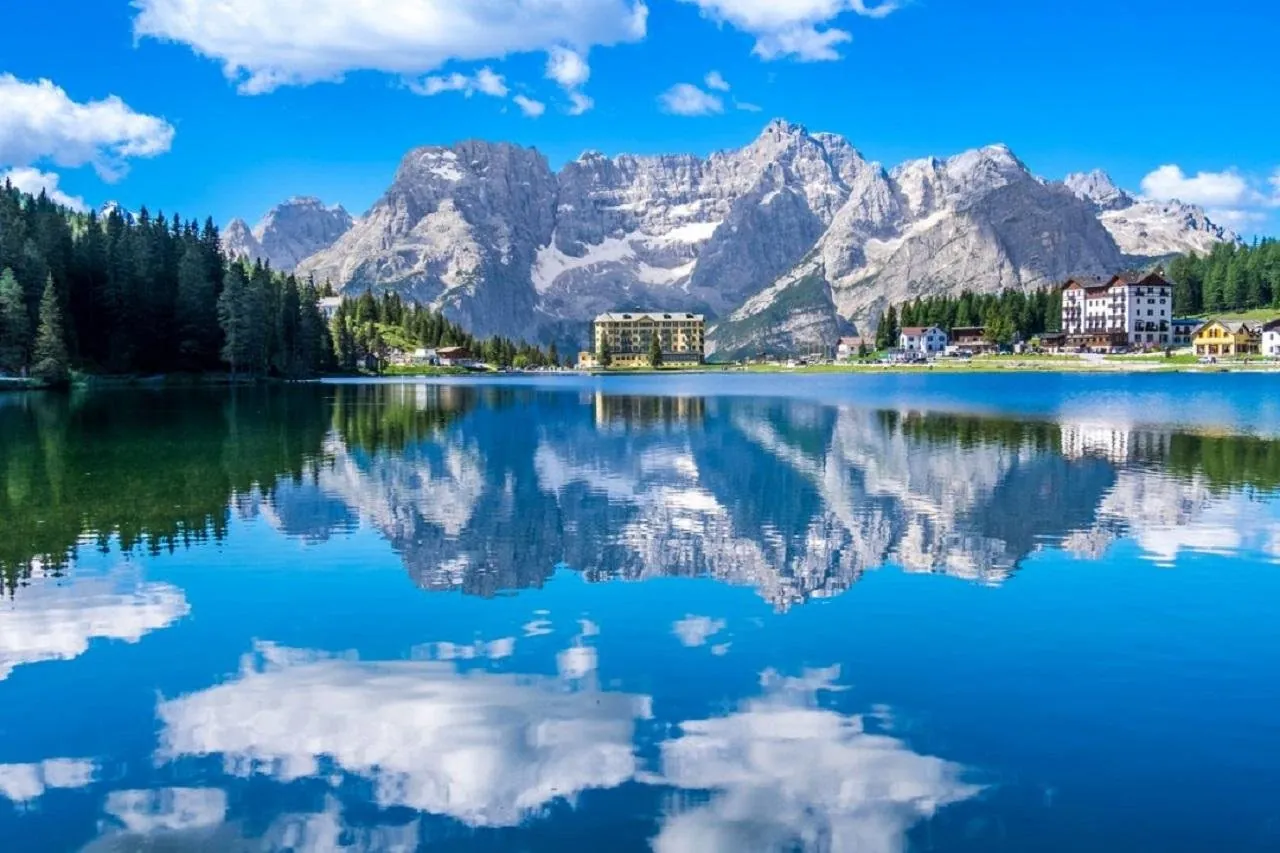
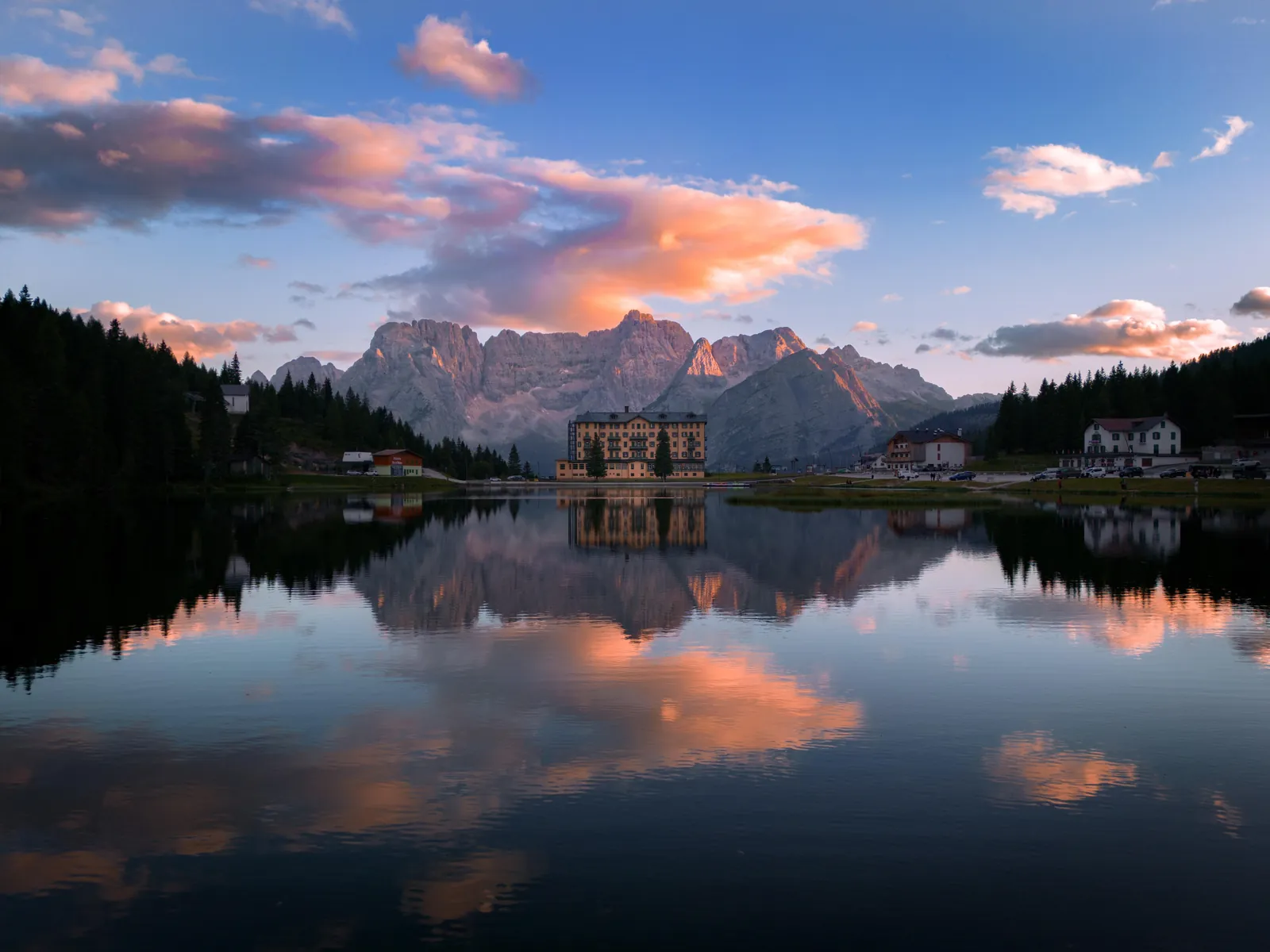
Lake Misurina. Reflections of the Sorapiss and the Grand Hotel, with the Tre Cime visible
across the far end. It’s the easiest lake to reach from Cortina and on almost every Venice day
trip.
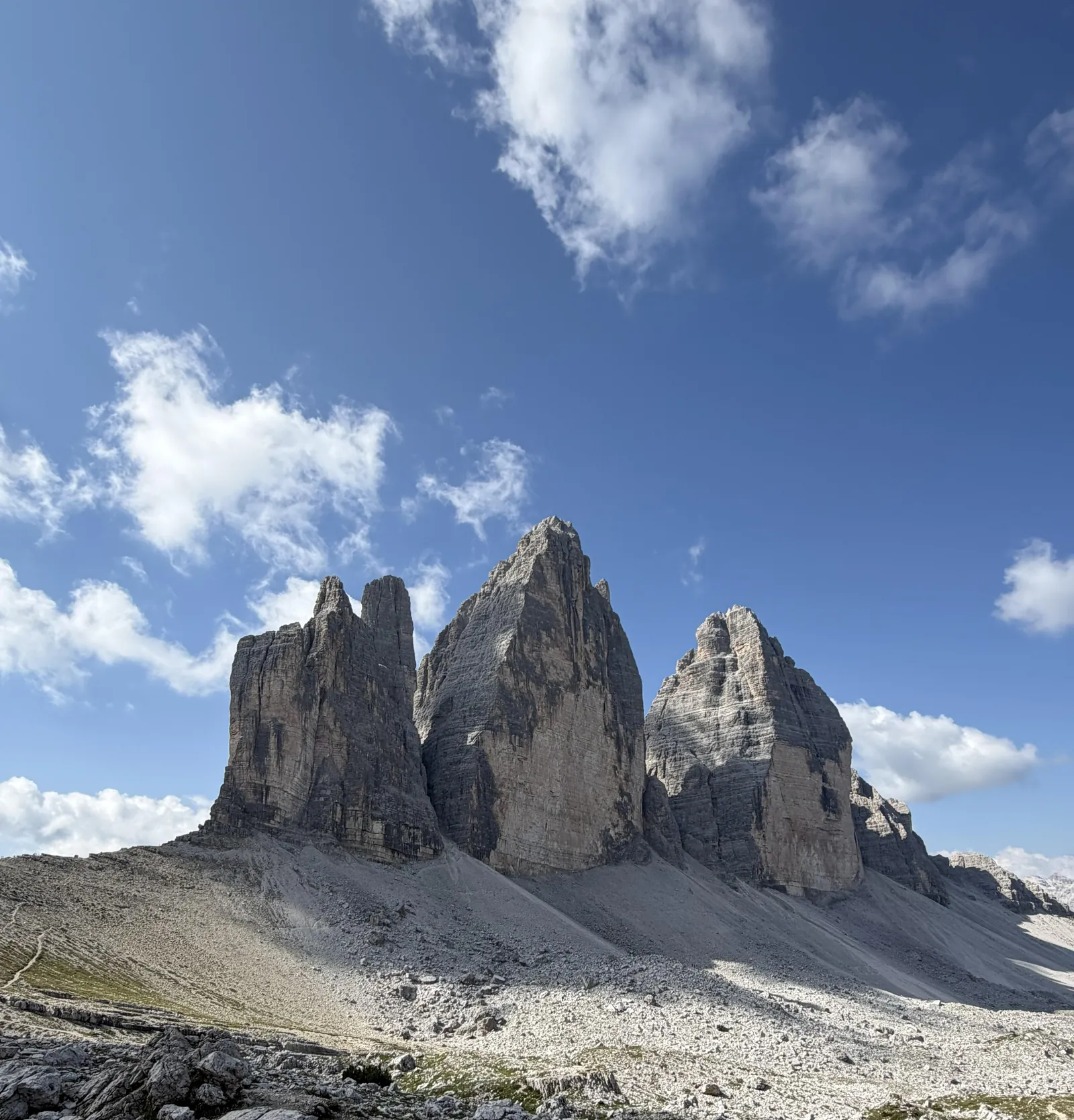
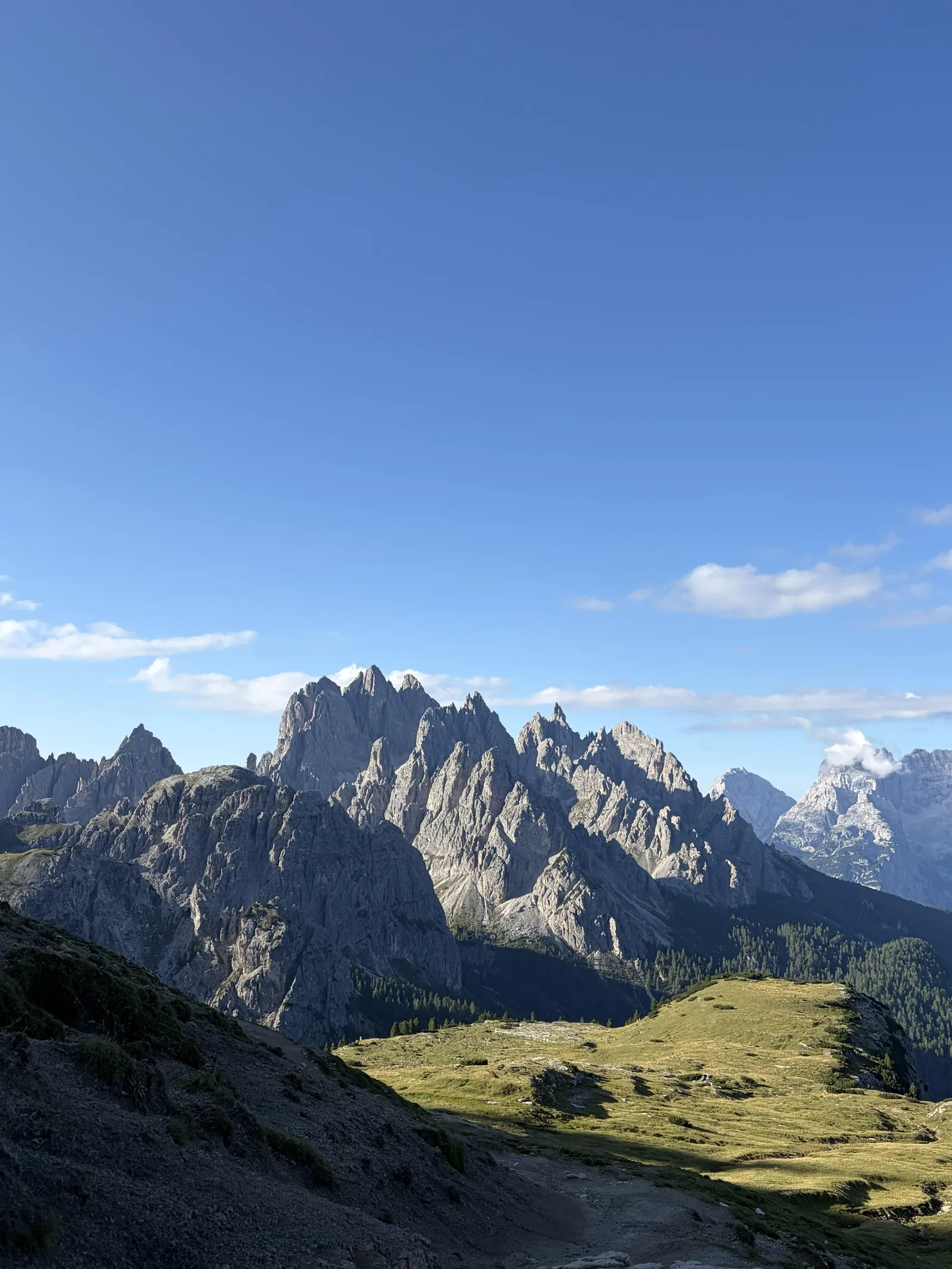
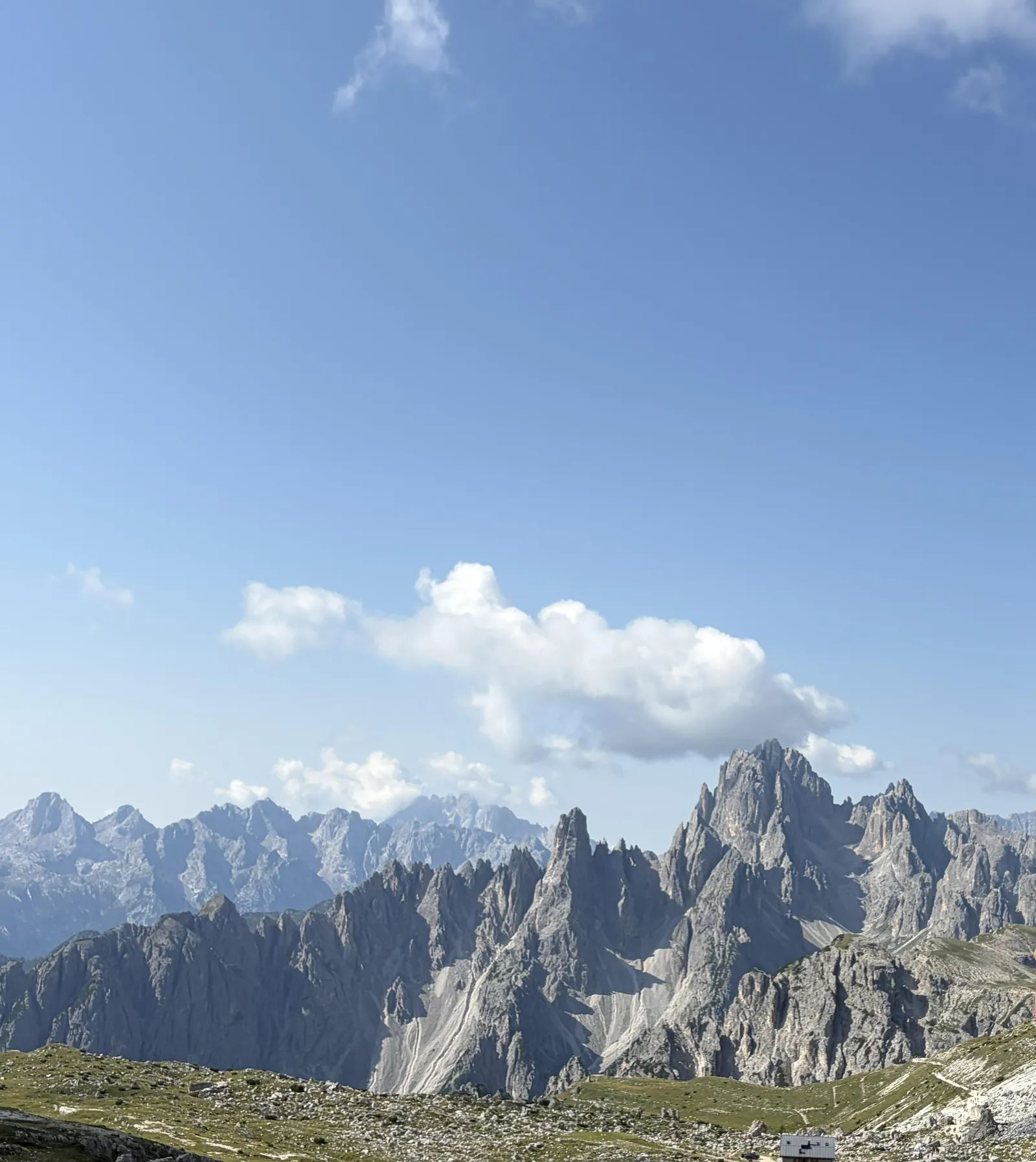
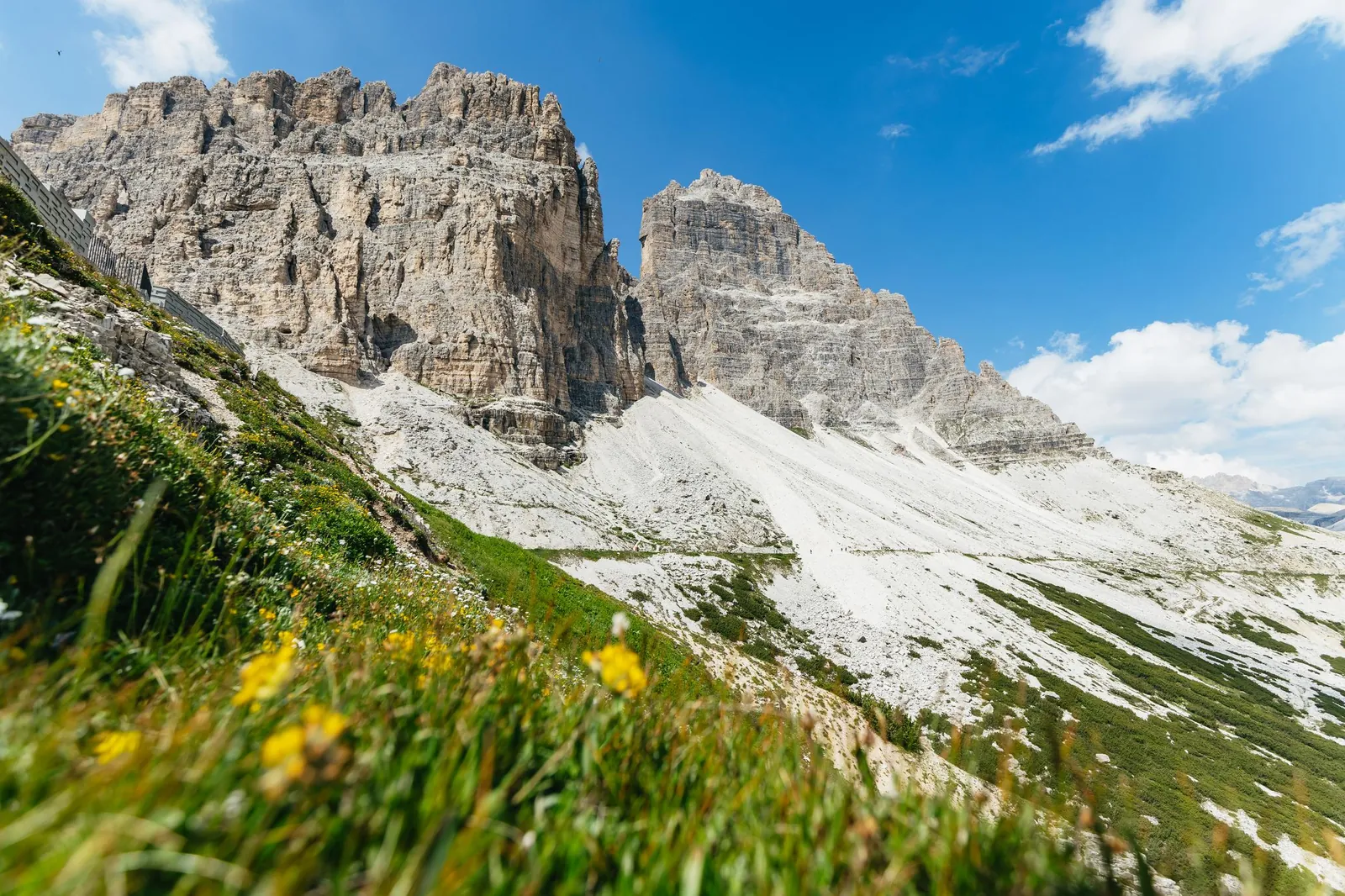
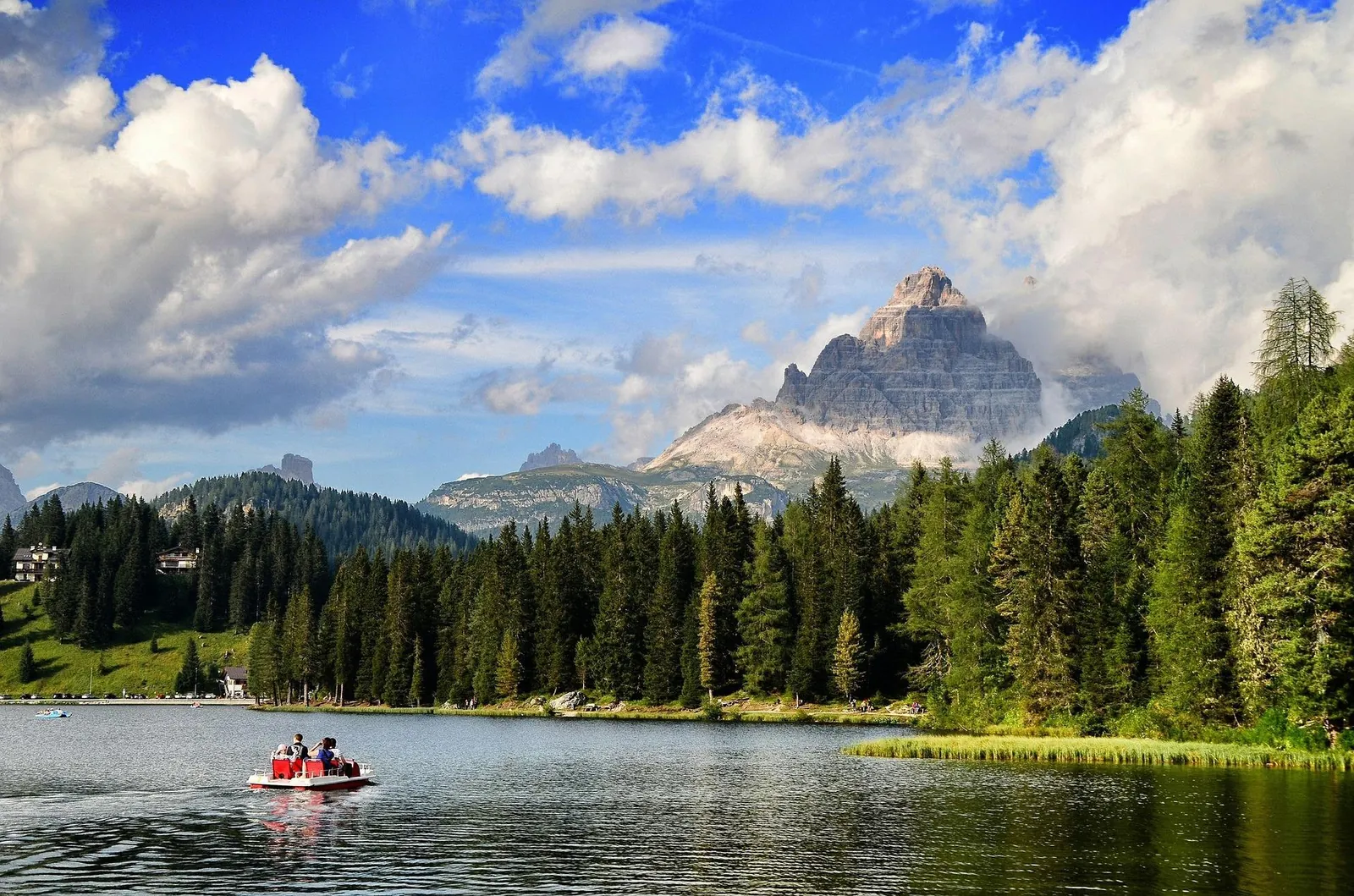
The Tre Cime. The north faces from Rifugio Locatelli, the Cadini di Misurina ridges and
the view back over Forcella Lavaredo. Access depends on the toll road, which usually closes at
the end of October. See Tre Cime in September and October.
Seceda and the Alpe di Siusi. The tilted ridge and the Odle, or gold larches below the
Sassolungo. Both lifts run to 2 November in 2026, but they’re far from Venice. See
Seceda and Val Gardena.
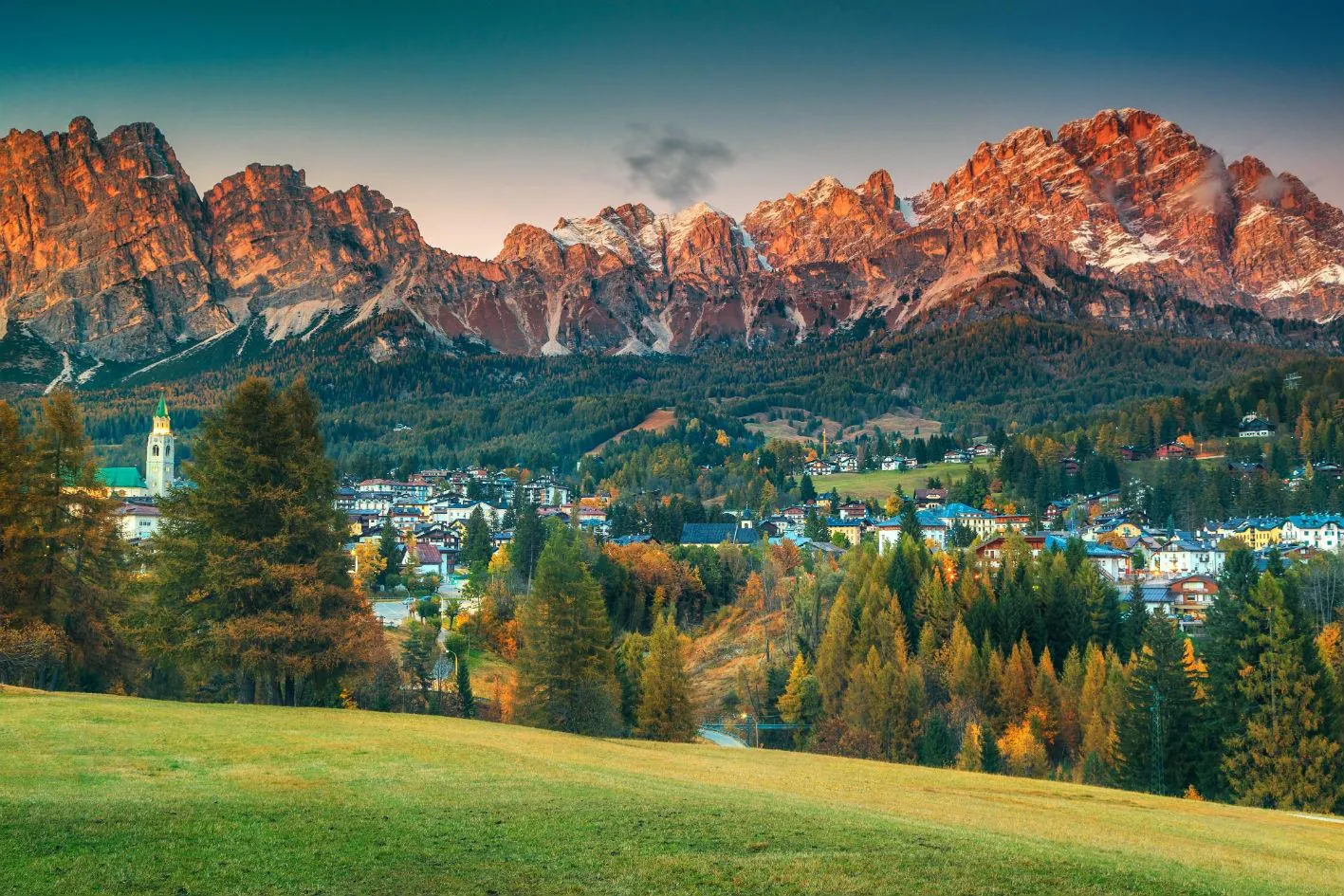
Val di Funes, Passo Giau and the Cinque Torri. The Santa Maddalena church under the Odle,
the grass pass under the Ra Gusela, and the towers above Cortina at sunset are further classics.
The Cinque Torri chairlift closes on 11 October.
Timing the light
The month. For larches, usually the second and third weeks of October. For open huts and
steady weather, September. See autumn foliage tours.
The hour. The pale rock catches warm light at both ends of the day. The glow on the walls
at sunrise and sunset is called enrosadira in the local Ladin language. Most day tours from
Venice arrive mid-morning and leave mid-afternoon, which is the flattest light of the day. For
light, an early start near the mountains beats a long day trip.
The weather. A clear day a week before the foliage peak usually photographs better than a
grey day at the peak. Fresh snow the morning after a storm is the best combination of all, but
it’s also what closes the Tre Cime road, so keep a lower location as your backup.
What to bring
A wide-angle lens for the lakes and a short telephoto for the peaks. A polariser for reflections
and larch colour. Spare batteries, which drain fast in the cold. Gloves thin enough to work the
camera. A tripod if your tour gives you time to use it. And don’t plan to fly your own drone
without checking the rules first: parts of the Dolomites are nature parks with restrictions, and
Italian drone regulations apply everywhere.
For the whole season, see the Dolomites autumn tours overview.
Check availability for the Tre Cime sunrise walk.